The repeat map — what repeats today
The business is buried: the page has 17 sections today — the grading calculator sits 13th, the vendor section 16th, and Membership dead last at 17th, under every card rail and both tile rows. In this demo they are 2nd, 3rd, and 4th — a visitor meets what the business DOES before the card shelves.
Same card, 3 places: Mewtwo Star ($9,200) is #1 in the set banner's list, the Pokémon pick in "Top card in every game," AND #1 in the "Most valuable cards" rail.
Same cards, 2 places each: Son Goku ($8,000) and Winged Kuriboh ($5,000) headline "Top card in every game" and then again at the top of "Most valuable cards." The banner's other top cards repeat into the same rail.
Raw vs graded, sold 4 times: the hero slide's pitch, a tile in the first tile row, a tile in the second tile row — and then the grading calculator itself, which is the one place it should live.
Two tile rows repeat each other: Chase, Deal Room, and Raw vs Graded appear in BOTH rows (13 tiles total across the page selling 8 ideas).
Vendor, sold 3 times: the "Become a Vendor" tile, the "Vendor buy math" tile, and the whole "Sell like a VIP" section.
Chase, sold 3 times: "Chase List" tile, "Chase matching" tile, and the "Saved on your Chase list" rail — before the plans even mention it.
The featured set repeats: the banner features a set, then "Sets in our library" tiles that same set again right below.
Featured rail = top rail: the curated "Featured cards" rail and the "Most valuable cards" rail surface largely the same expensive cards (Blue-Eyes White Dragon is also up in hero slide 3).
What gets cut or merged — one line each
CUT "Top card in every game" rail — its three cards are the top of the most-valuable rail; the banner now carries the top-cards job alone.
CUT "Most valuable cards" rail — same cards as the banner's list, ranked the same way; one top-cards section, not three.
CUT "Featured cards" rail — the same expensive cards a third time; featured cards still run the shop, they just stop repeating on the homepage.
MERGED Both tile rows → one row of 5 — Chase List, Deal Room, Loyalty Points, Jobs board, and one "In the app" tile (Scanner + set checklists, which are app features).
CUT Both "Raw vs Graded" tiles — the calculator is its one home; the tiles only advertised what the calculator does.
MERGED Vendor tiles → the vendor section — "Become a Vendor" and "Vendor buy math" fold into "Sell like a VIP," the one vendor home.
MERGED Price-alerts tile → the Chase tile — alerts are a Chase feature; they ride in its copy instead of their own tile.
RULE One appearance per product — a card shows in exactly one catalog rail on this page; your own rails (Saved, Recently viewed) are yours and stay exempt.
The cleaned page — top to bottom
1 · Hero KEPT — YOUR 3 SLIDES
Mega Charizard X ex
From Phantasmal Flames — one of the most valuable cards in our library. Every card shows its raw price, and its graded price where a real graded sale backs it, side by side.
Shop Now Market $570.32


Dragon Ball Super Fusion World cards with clear prices
See the market price on every card, right next to the seller's price. Market price is calculated from recent sales.
See the cards
Turn your extra cards into money
List your cards for other collectors. All you need is your free account.
Start selling
Your carousel stays — the same three slides as live, and the same SIZE as live: a compact banner at every width, caption laid over the cards, never a stacked tower. The first keeps its three-card fan; the prices slide shows one Fusion World card with its price panel, and the sell slide shows one card with the three steps. What changed: the bulk and graded pitches do NOT join the rotation. They keep their own sections (3 and 6), so the top of the page never turns into slide after slide of different sales pitches.
2 · Try the grading math THE ONE RAW-VS-GRADED HOME NOW GLOSSY
Try the grading math — right here
See in seconds whether grading your card pays. Find your card, pick a company, get the verdict.

An estimate, not a promise: the real graded sale price can differ. This is the payoff moment — the picked card, its picture, and the math alive in one glance.
No card in mind? Type your own numbers:
3 · Sell like a VIP THE ONE VENDOR HOME
The vendor pitch, once — founding-vendor rewards, your own vendor side and pro tools, and the vendor buy math (75% cash / 85% trade / 100% trade credit) stated here instead of in a separate tile.
Sell your graded cards!
Slabs sell here too. List your graded cards right next to your raw ones — one shop, one payout.
Sell a graded card GRADED · SON GOHAN
 GRADED · DARK MAGICIAN

4 · Membership KEPT NOW COMPACT
Membership that pays you back
Points on every buy, sell, and trade — and every level unlocks real rewards. Pick your speed:
Same plans, same prices as live — each card now carries its best numbers, and one gold door leads to the full benefits.
5 · What you can do here ONE TILE ROW
6 · Bulk callout NEW
Do you have bulk you want to get rid of!?
No worries, we have a fix for that. Try our bulk feature. Sell hundreds of cards all at once.
Try Bulk Sell


Your words, your pile: real cards from six game types scattered together — Pokémon, Dragon Ball Super Fusion World, Yu-Gi-Oh!, Magic: The Gathering, One Piece, Digimon. Hover it and the pile fans out. It links into the real Bulk Sell feature.
7 · Just Listed KEPT
Real member listings only — the section hides itself when there are none, as it does today.
8 · Cards to look at KEPT + YOUR RAILS FOLD IN
For You stays. For members, "Saved on your Chase list" and "Recently viewed" sit in this same personal zone instead of two more sections further down.
9 · The most valuable cards in EX Holon Phantoms THE ONE TOP-CARDS HOME


EX Holon Phantoms is the most valuable Pokémon set in our library right now. Its top cards:
- Mewtwo Star — $9,200.00#1 in EX Holon Phantoms · Ultra Rare · Priced Nov 9, 2026
- Mew ex — $650.00#2 in EX Holon Phantoms · Ultra Rare · Priced Nov 9, 2026
- Rayquaza - 016/110 — $631.22#3 in EX Holon Phantoms · Holo Rare · Priced Nov 9, 2026
- Mew — $499.99#4 in EX Holon Phantoms · Secret Rare · Priced Nov 9, 2026
- Rayquaza - 026/110 — $107.17#5 in EX Holon Phantoms · Rare · Priced Nov 9, 2026
10 · Vintage & grails NEW
The old, the rare, the hard to get
Cards collectors hunt for years — early-era printings and tournament prizes, priced like the treasures they are.
 UmbreonAquapolis · 2003 · H29/H32
 Mew StarEX Dragon Frontiers · 2006 · 101/101
 Lugia exEX Unseen Forces · 2005 · 105/115
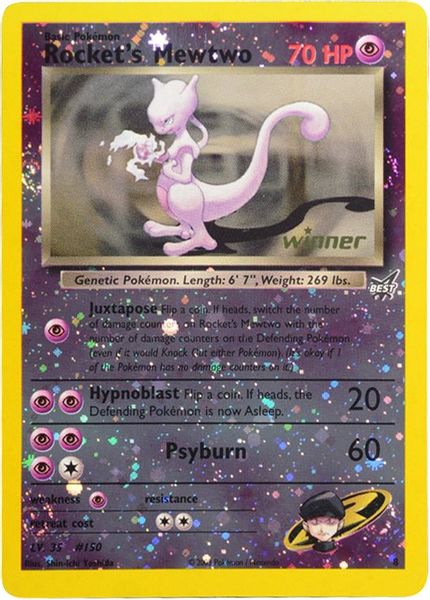 Rocket's MewtwoWinner-stamp promo · 008/009
A home for the vintage shelf — none of these four appears anywhere else on the page.
11 · Sets in our library KEPT
Navigation, not a second feature — the tiles browse sets; the banner above is the only place a set gets featured.
12 · Coming Soon KEPT
FiGPiN Dragon Ball Super Cybercel Series 2 (Nov 27) and Dragon Ball Super Cybercel Series 2 (Nov 30), each with its Notify Me button — unchanged.
13 · Card Spotlight KEPT
Rivals Clash · Market $147.78 · PSA 10 $202.50
A new Featured Card of the Day, every day — and under the one-appearance rule, today's spotlight card never also sits in the banner.
The liveness pass — the whole site, not just this page
The glossy standard leaves the grading panel and goes everywhere: gloss sweeps, depth, cards that lift and straighten on hover/tap, color that pulls the eye — and no dull gray stretches left on any page. Three interiors, before and after:
Flat gray box, flat price, nothing moves. The grid reads like a spreadsheet.
Gloss over the art, the card lifts and straightens on hover, price in gold. The grid feels like a card shop, not a spreadsheet.
Two plain price lines and a gray verdict box under the photo.
The slab-styled stage from the grading panel: picture glowing, the math as chips, the verdict as the gold payoff.
Rows of plain form fields, top to bottom, nothing inviting a tap.
Glossy step cards — find it, price it, done — each step lighting as you finish it, your card's photo riding along.
Same pass, every page: Shop, card pages, Sell, Bulk Sell, Deal Room, Chase, plans, vendor pages, shows and the rest — if a stretch reads dull gray, it fails the pass.
The shop front — compacted (demo)
Today the shop landing sprawls through a long grid of set tiles — World Championship Decks, RA04, RA03, RA05, Ascended Heroes, Prize Pack, tile after tile. In this demo the front door is four doors: one panel per game, in your order, each with its game's real cards fanned on it, glossy like the sections you approved — and the per-set tiles move inside each game's shop, where they belong.



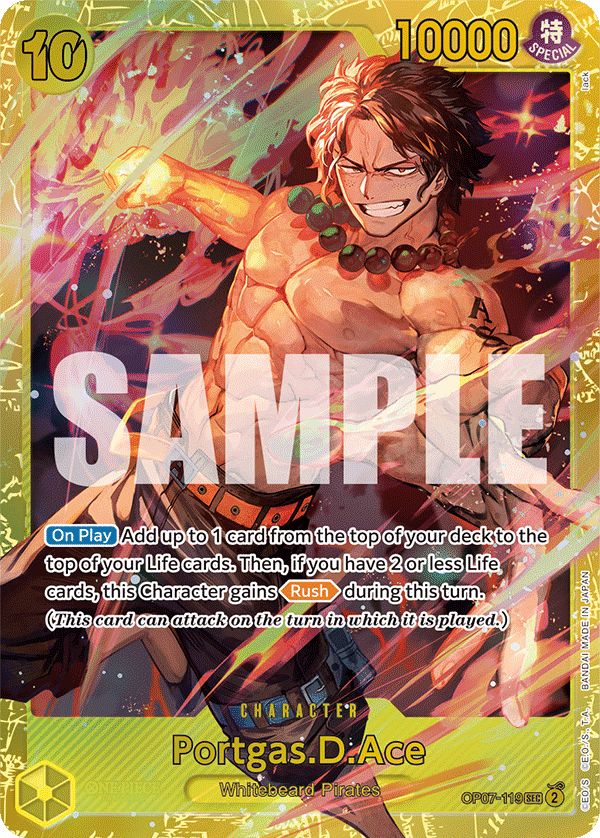
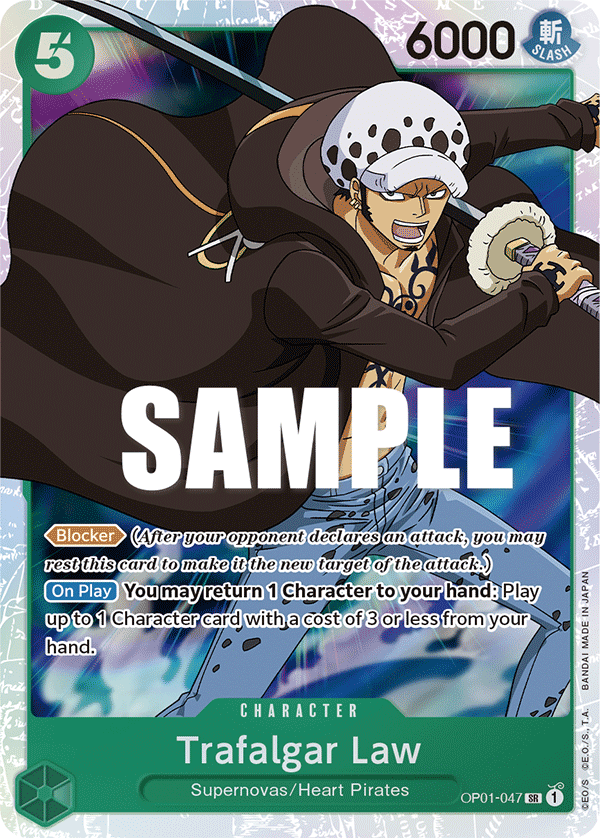
No card art repeats across the four panels — or anywhere else in this demo. One Piece's 3,680 cards are already priced in the database; its shelf opens when the per-game catalog split ships, and the panel is ready for it. The full game directory still exists deeper in the shop — this is just the front door, four doors instead of a warehouse aisle.
Page count: 17 sections today → 13 in this demo (two of them brand new: the bulk callout and the vintage vault); the business (grading, vendor, membership) sits at 2–4 instead of 13–17; and every product and idea appears exactly once. Every section sells: real prices up front, a benefit in every headline, gold on every button — the whole page asks for the click. Say the word and it gets built in the same pass as tonight's other homepage fixes; say what to change and the demo changes first.